NKS — Rule 30
In 2003 I spent the summer at Stephen Wolfram's first New Kind of Science Summer School at Brown University. The exposure to elementary cellular automata — Wolfram's claim that simple, deterministic rules can generate irreducible complexity — became the seed of my MArch thesis (Datastructure) and shaped how I think about computation ever since.
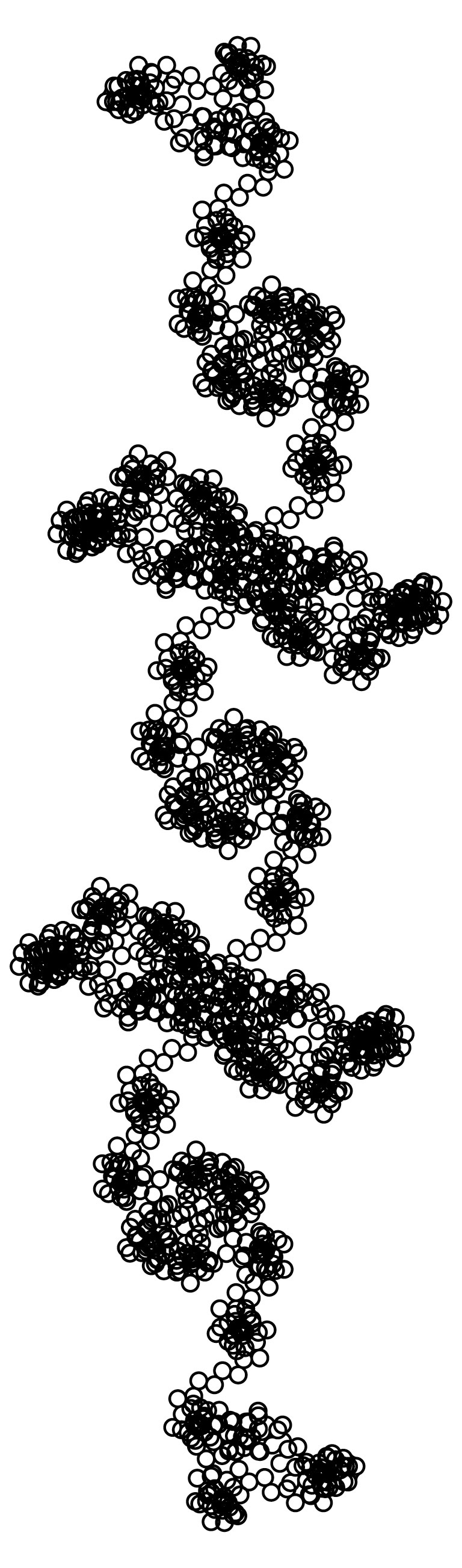
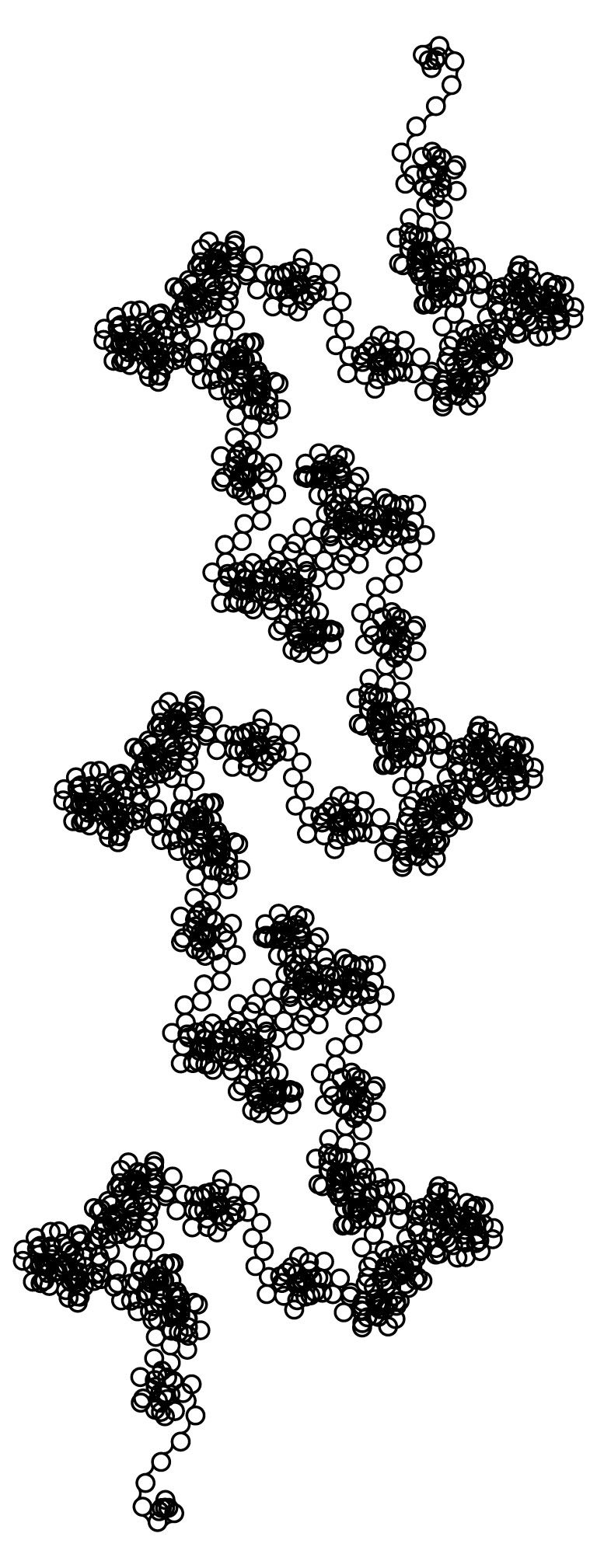
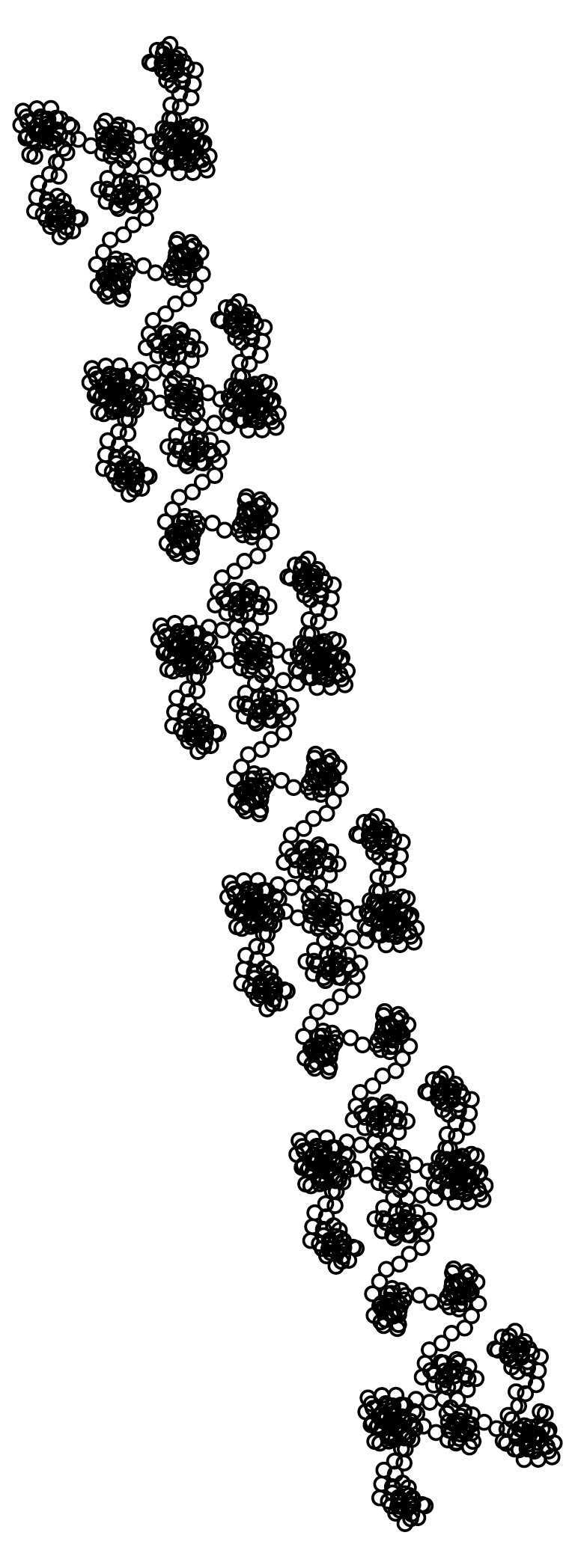
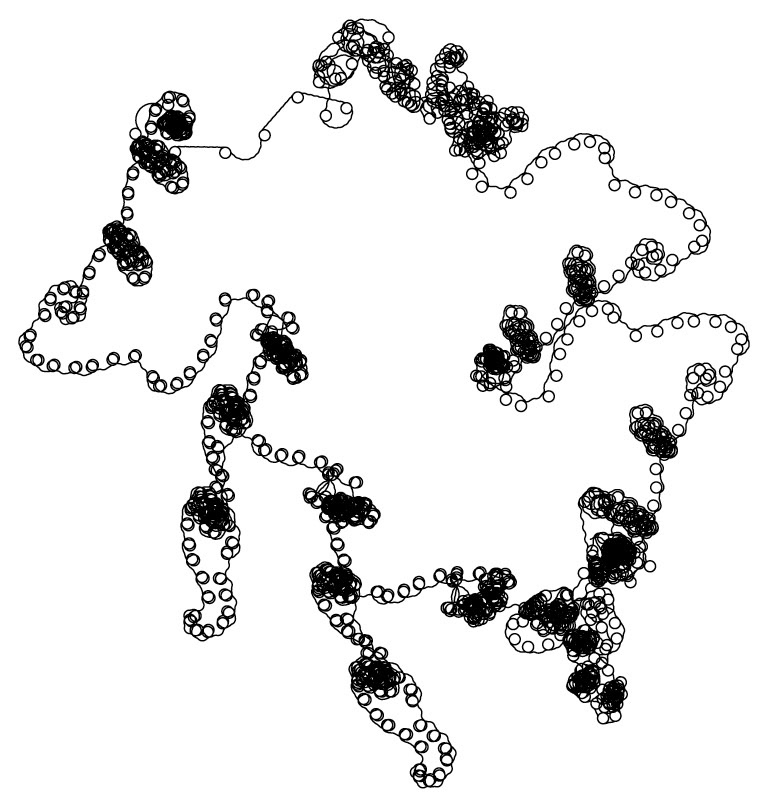
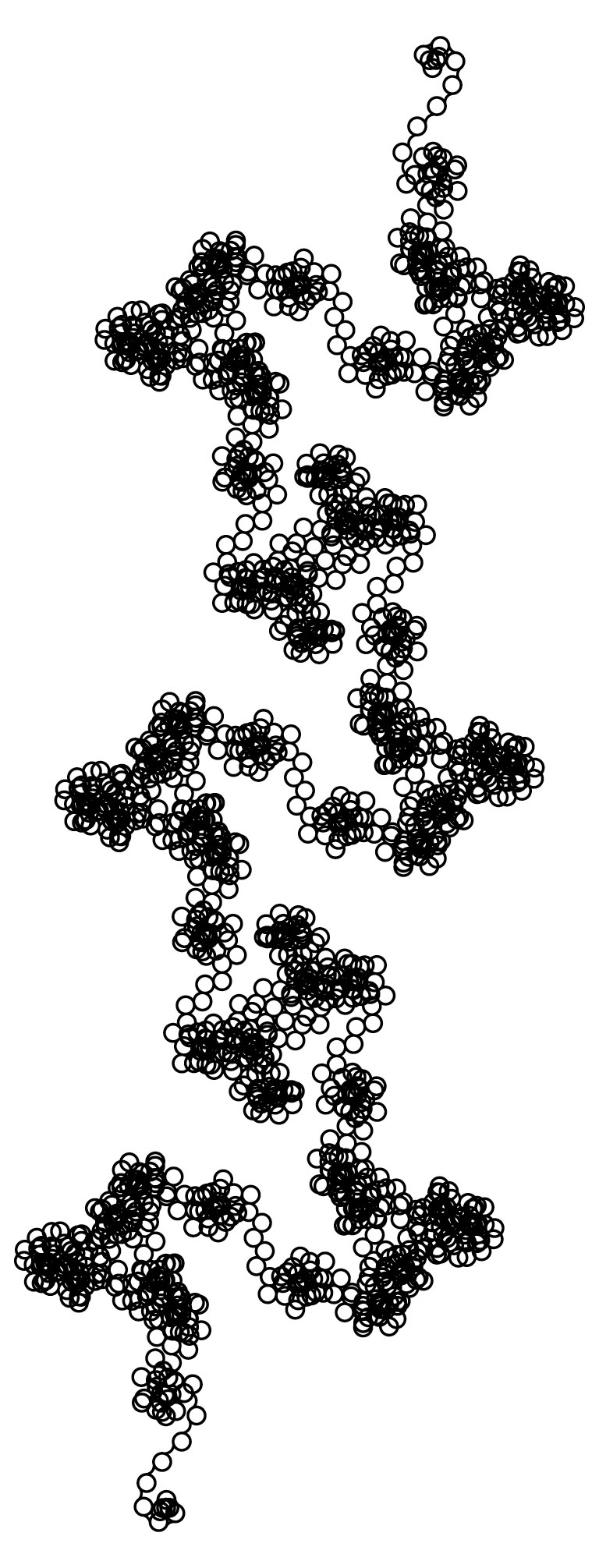
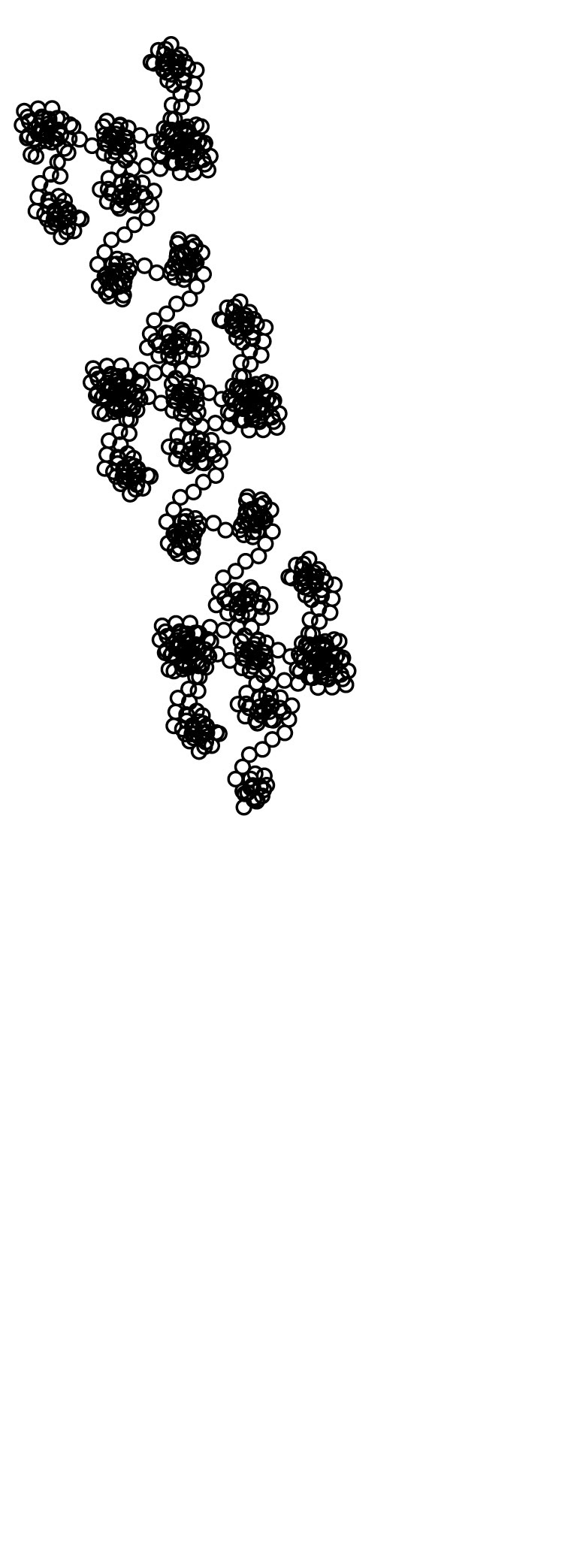
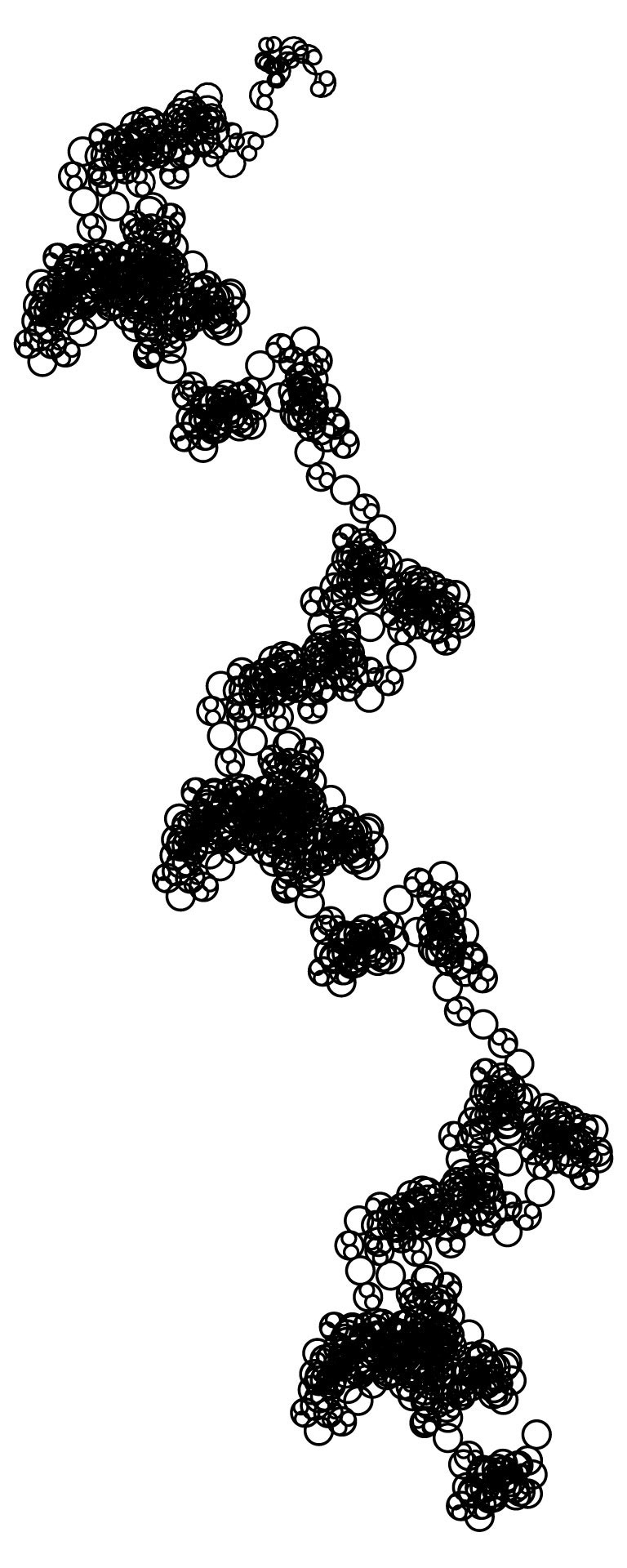
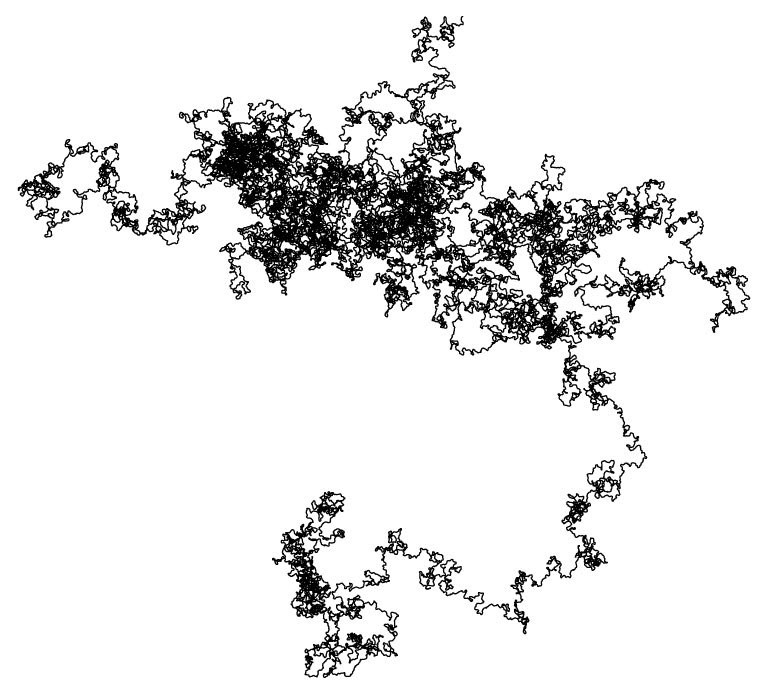
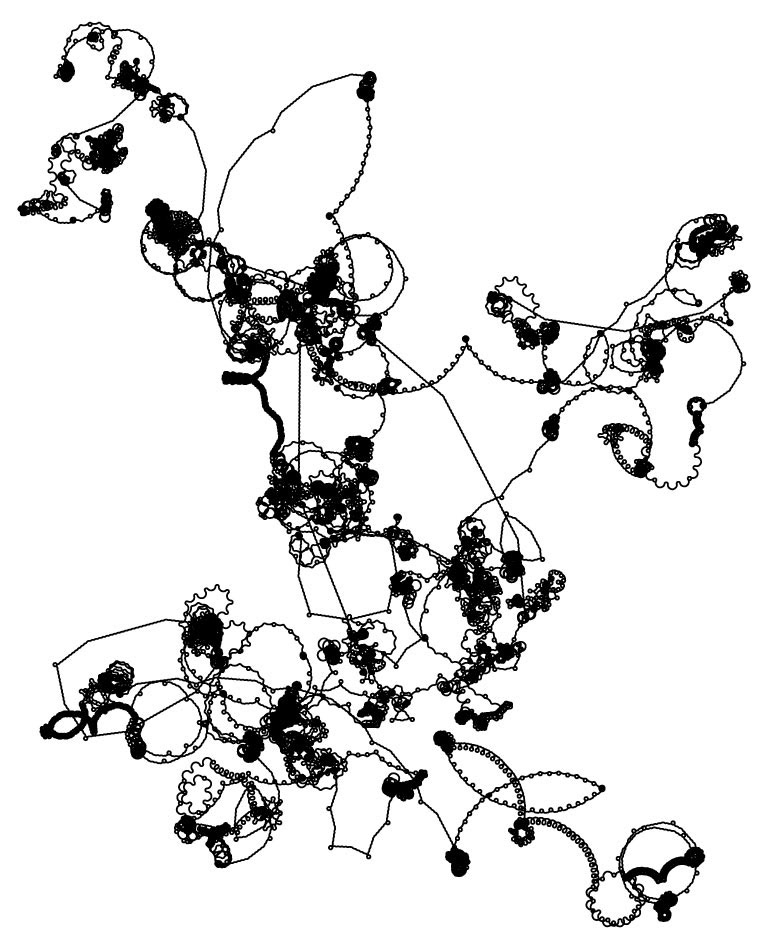
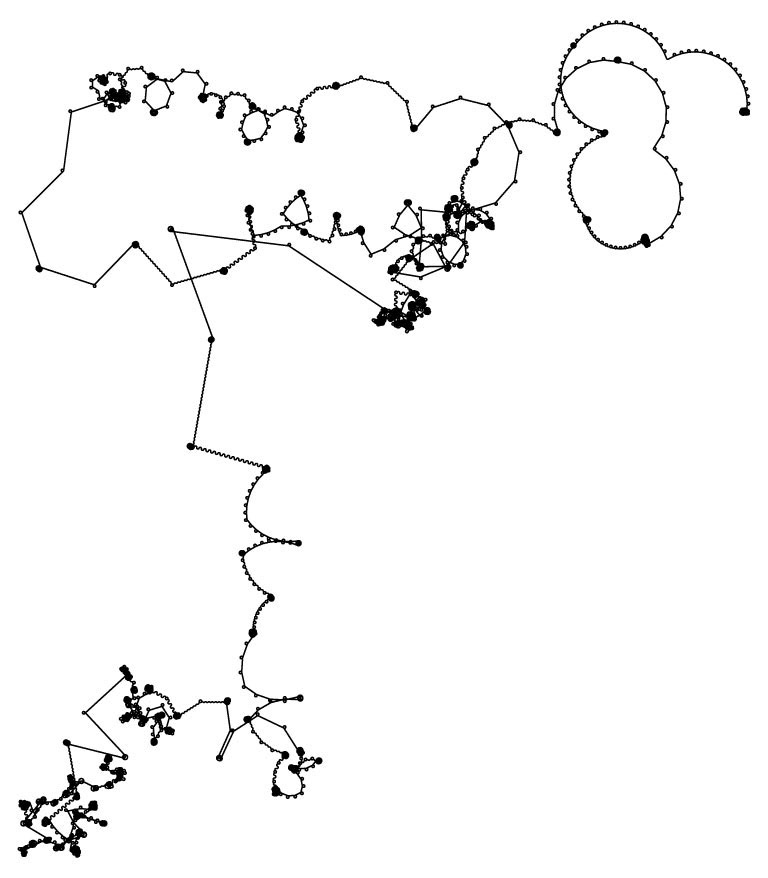
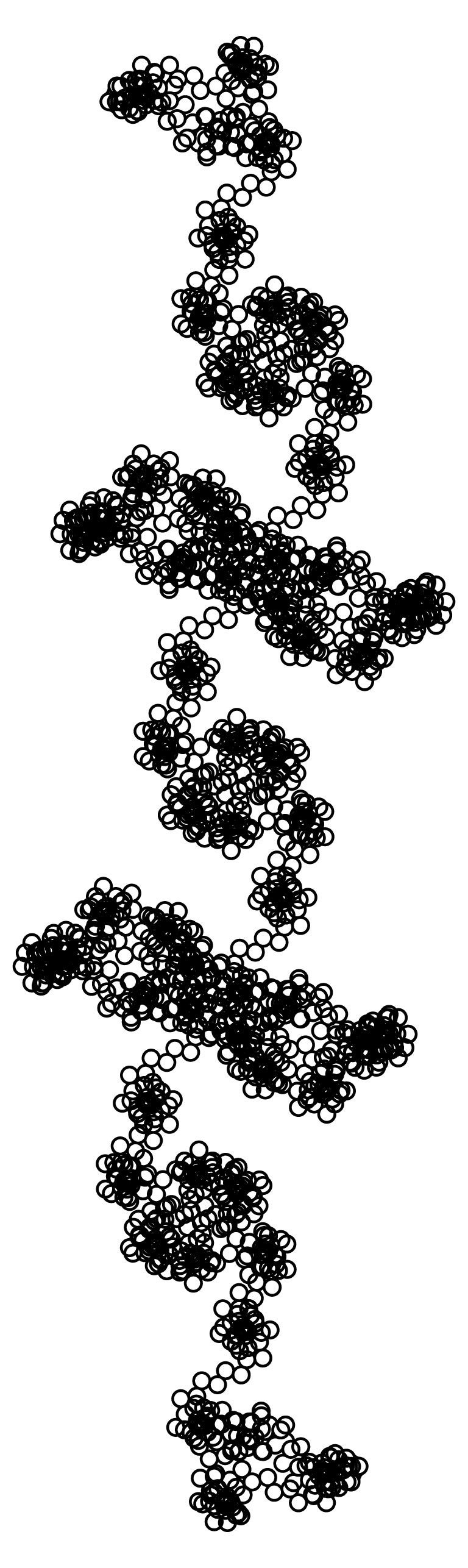
The demo above is Rule 30, the canonical example: a one-dimensional automaton whose output column is statistically indistinguishable from random noise despite being fully deterministic from a single seed cell. It's used as the basis for Mathematica's random-number generator.